1
/
din
4
Freză pentru Îmbinare Lemn la 45° Grade 25-42 mm | HSS sau TCT Vidia
Freză pentru Îmbinare Lemn la 45° Grade 25-42 mm | HSS sau TCT Vidia
1 review
SKU:SG-I45G42HSS-d30
Preț obișnuit
990,00 RON
Preț obișnuit
1.000,00 RON
Preț redus
990,00 RON
TVA inclus.
Taxele de expediere sunt calculate la finalizarea comenzii.
Cantitate
Stoc redus: doar 1 articole rămase
Nu am putut încărca disponibilitatea pentru ridicare
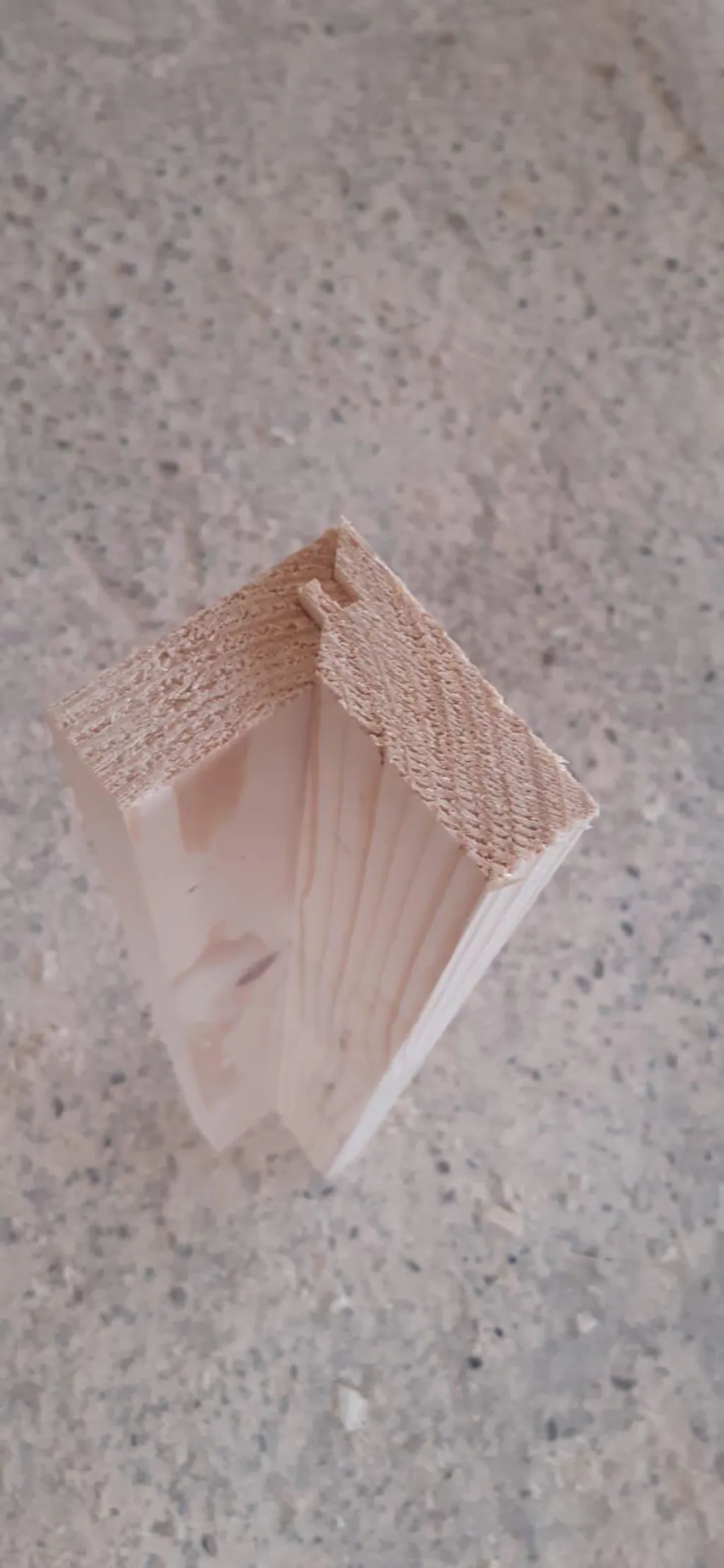
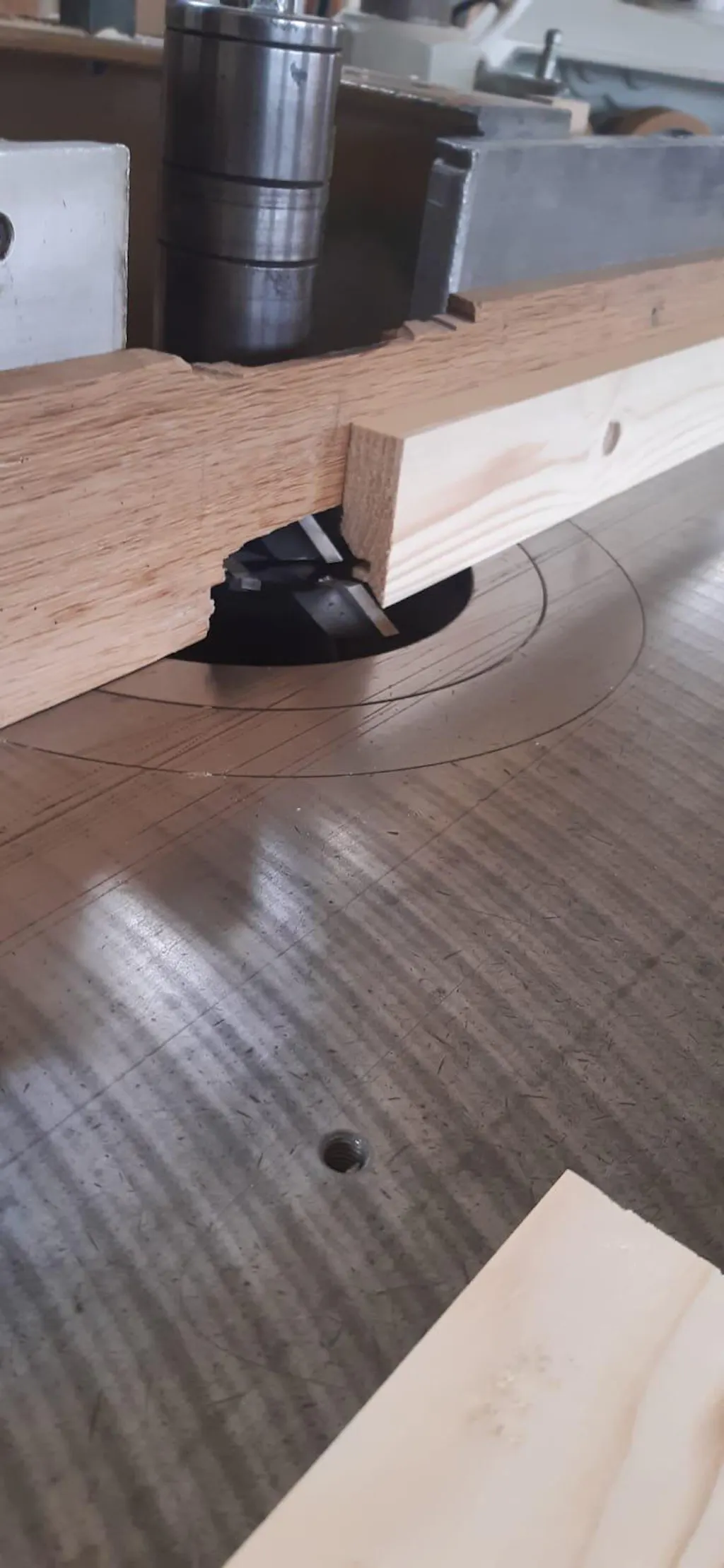
Freză pentru Îmbinare Lemn și MDF la 45° (Lock Miter) – HSS M2 sau T.C.T. Vidia | 25–42 mm
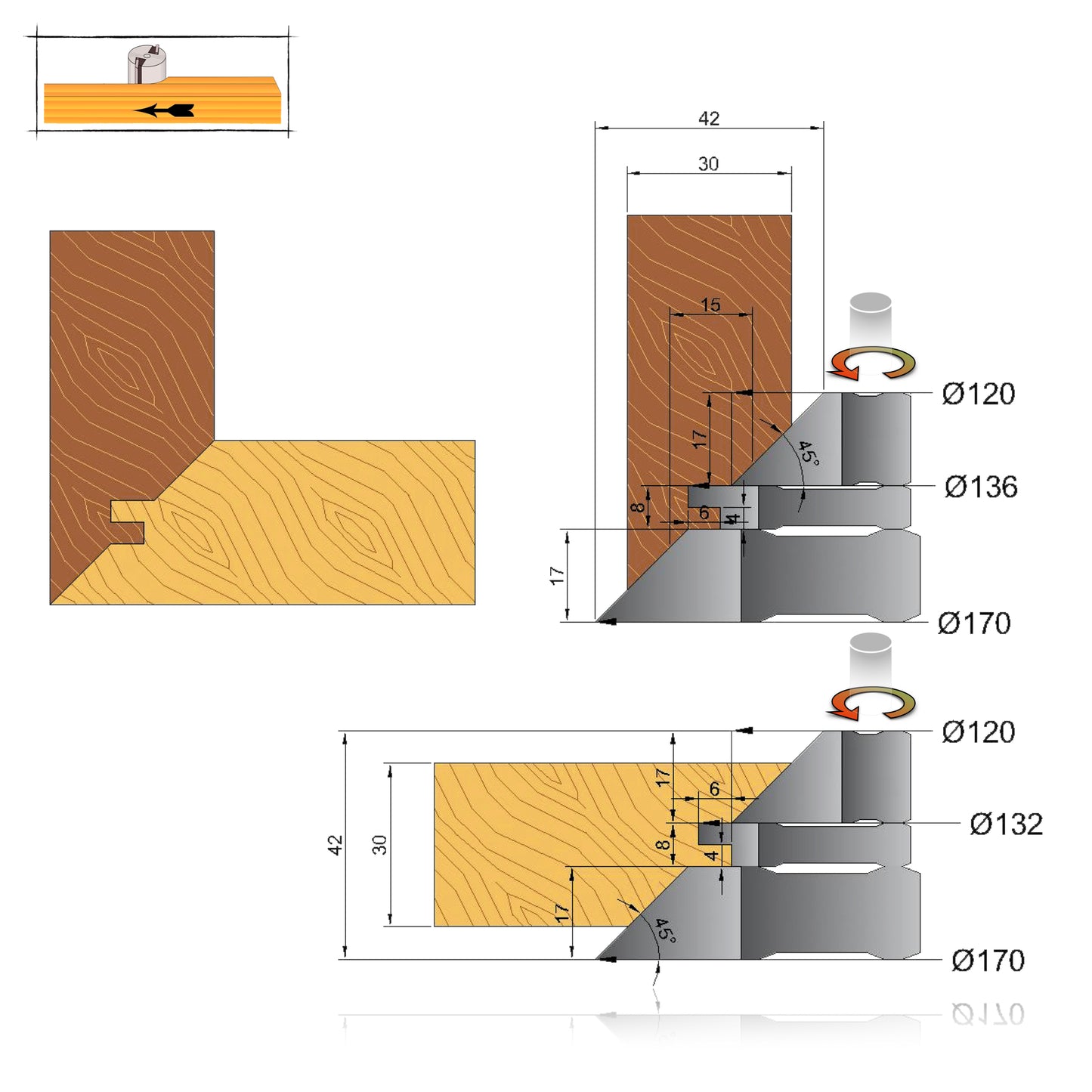
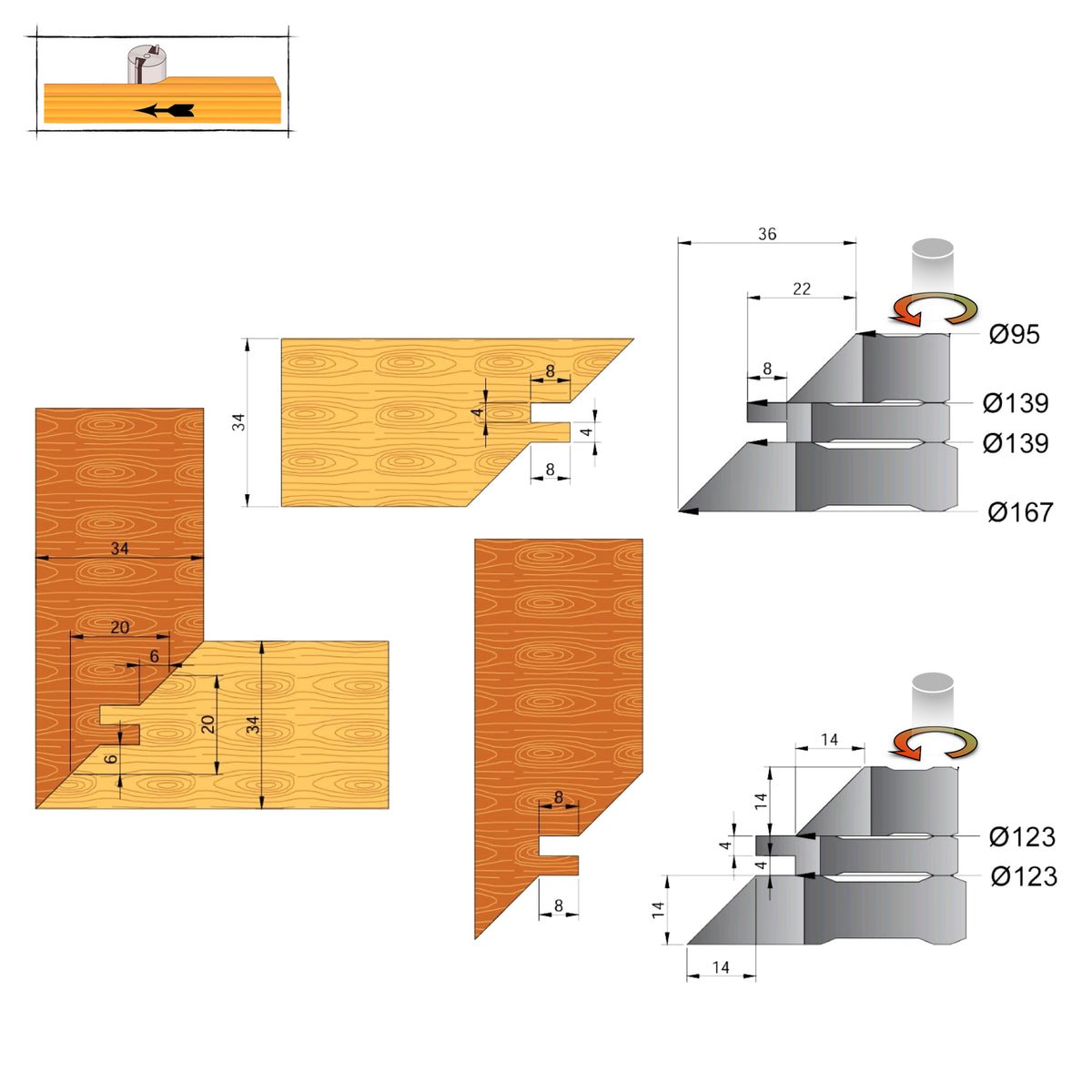
Freză pentru îmbinări unghiulare tip Lock Miter la 45°, cu aliniere automată și rezistență mecanică structurală ridicată — proiectată pentru realizarea profilului tată-mamă complementar dintr-o singură trecere. Disponibilă în variantele HSS M2 Premium și T.C.T. Vidia, pentru grosimi de lucru de 25, 35 sau 42 mm — selectați materialul și grosimea din meniu.
| Alezaj AX (d) | Alezaj AX (d)Ø30 mm / Ø40 mm standard | variante personalizate la cerere |
| Grosime Material Procesat | Grosime Material25 mm, 35 mm sau 42 mm – selectați din meniu |
| Material Tăiș | Material TăișHSS M2 Premium (6,5% Wolfram) | T.C.T. Vidia (carburi metalice ultra-dure) – selectați varianta |
| Duritate Tăiș | Duritate TăișHSS M2 – 64–66 HRC | T.C.T. Vidia – 85–92 HRC |
| Număr / Tip Dinți | DințiZ4 – plăcuțe profilate brazate industrial pe aliaj de alamă (Cu-Zn) |
| Tip Construcție | Tip ConstrucțieGeometrie monobloc integrată, tăișuri brazate pe corp rigid din oțel aliat tratat |
| Turație Recomandată | Turație Recomandată6.000 RPM |
| Țara de Origine | Țara de OrigineUcraina |
✨ CARACTERISTICI ȘI PERFORMANȚE:
- Sistem de Îmbinare Lock Miter Profesional: proiectată special pentru realizarea îmbinărilor unghiulare la 45°, asigură o aliniere automată, rapidă și extrem de precisă a panourilor, oferind o rezistență mecanică structurală de neegalat ansamblului final.
- Geometrie Monobloc Anti-Vibrații: structura compactă, echilibrată dinamic prin prelucrare CNC, elimină trepidațiile în gol pe utilajele tip Shaper sau frezele de masă staționare.
- Îmbinare Autolock dintr-o Singură Trecere: realizează profilul tată-mamă complementar dintr-o singură fază operațională — suprafață de contact extinsă, distribuție perfectă a adezivului, fixare rigidă a unghiului.
- Capacitate de Lucru Extinsă: configurația profilului permite procesarea eficientă a reperelor cu grosimi variate (25, 35 sau 42 mm), în funcție de varianta aleasă.
- 2 Materiale, 2 Utilizări Optime: HSS M2 pentru finisaj impecabil pe lemn masiv moale, T.C.T. Vidia pentru rezistență maximă pe MDF, PAL și esențe tari.
⚠️ RECOMANDĂRI ȘI LIMITĂRI ÎN UTILIZARE:
- Varianta HSS M2: ❌ NU se recomandă pe MDF, PAL, HDF sau lemn exotic foarte dur — liantul sintetic uzează prematur tăișul din oțel rapid. Ideală exclusiv pentru lemn masiv natural.
- Varianta T.C.T. Vidia pe lemn moale: pe esențe naturale foarte moi (brad, molid), mențineți un avans constant pentru a evita urmele de arsură prin frecare locală.
🛠️ GHID DE SELECȚIE: HSS M2 vs. T.C.T. VIDIA
Alegerea materialului corect pentru tăiș influențează direct calitatea finisajului și durata de viață a sculei (glisați stânga-dreapta pe mobil pentru a vedea complet tabelul):
| Material Prelucrat | HSS M2 Premium ⭐ (6,5% Wolfram) |
T.C.T. Vidia ⭐ (Carburi Metalice) |
|---|---|---|
| Lemn Moale (Brad, Molid, Pin, Tei) |
⭐ 100% (Finisaj Lucios, Fără Arsuri) |
❌ Risc ardere (Frecare locală) |
| Lemn Tare (Fag, Stejar, Frasin) |
80% (Eficient structural) |
⭐ 100% (Rezistență maximă) |
| MDF / PAL / HDF / Stratificat | Nerecomandat | ⭐ 100% (Optim industrial) |
| Materiale Compozite & Exotice | Interzis | ⭐ 100% (Randament maxim) |
| Număr de Reascuțiri | Maxim (M2 reascuțibil) | Limitat structural |
| Duritate Material Tăiș | 64 – 66 HRC | 85 – 92 HRC |
✅ Concluzii practice pentru achiziție:
- Lucrezi preponderent cu MDF, PAL sau panouri stratificate dure? Alege varianta T.C.T. Vidia – duritatea extremă a carburii metalice îi permite să proceseze compozitele fără să își piardă tăișul din cauza rășinilor sau densității artificiale a materialelor.
- Lucrezi cu Brad, Molid sau Pin natural? Pentru lemn masiv moale, varianta HSS M2 Premium oferă un avantaj — taie fibra curat fără să o strivească, cu un aspect impecabil. Dacă ai de gând să prelucrezi combinat și MDF, rămâi pe varianta Vidia.
- Viteză și Avans Constant: frezele cu plăcuțe din Vidia necesită un avans constant; dacă piesa stagnează pe loc în timp ce freza se află în rotație la 6.000 RPM, căldura acumulată prin frecare poate lăsa urme inestetice de arsură pe lemnul natural.
🦺 MĂSURI DE SIGURANȚĂ ÎN UTILIZARE:
- Echipament de protecție obligatoriu: ochelari de protecție, mască sau filtru respirator (praf fin de lemn/MDF) și antifoane la lucru prelungit.
- Verificați fixarea frezei pe ax și strângerea completă a piuliței înainte de pornire.
- Respectați turația recomandată de 6.000 RPM pentru a evita vibrațiile sau deteriorarea tăișului.
- Folosiți dispozitive de avans/împingere la prelucrarea pieselor scurte — nu apropiați mâinile de zona de tăiere.
- Reascuțire: recomandăm efectuarea la un centru specializat, pentru a păstra geometria profilului Lock Miter și unghiul de 45°.
Distribuie


S
Simion Super freza, de calitate premium, arata profi, recomand!